
🏅 Health & Harmony: Teaching Kids Organizational Management Through Sport
WQM Blog – Wellness Quality Management | 4H Pillars: Health • Habits • Happiness • Harmony
A Story Kids Already Love: The Last-Minute Goal That Changed Everything
Every child who watches sports knows this moment:
The team is behind. The clock is running out. Everyone is tired, stressed, and losing hope.
Then—one player makes a brave move.
He passes the ball. Not to the strongest player. Not to the fastest. But to the teammate who has been quiet the whole game… yet always in the right place.
She receives the ball, dodges two defenders, and in the final second—
GOAL.
The stadium explodes. Their team wins. Parents cheer. Kids scream. Coaches hug.
But what really won the game?
Not a superstar. Not luck. Not pressure.
It was trust. Teamwork. Harmony under stress.
This story has gone viral many times—sometimes in soccer, sometimes basketball, sometimes volleyball. Search online for it and you’ll find thousands of versions. These short videos of “the unexpected hero” teach the exact message kids need:
Winning is not about being the strongest. It’s about trusting your team, playing your role, and keeping calm under pressure.
🎥 Suggested Video to Start the Lesson
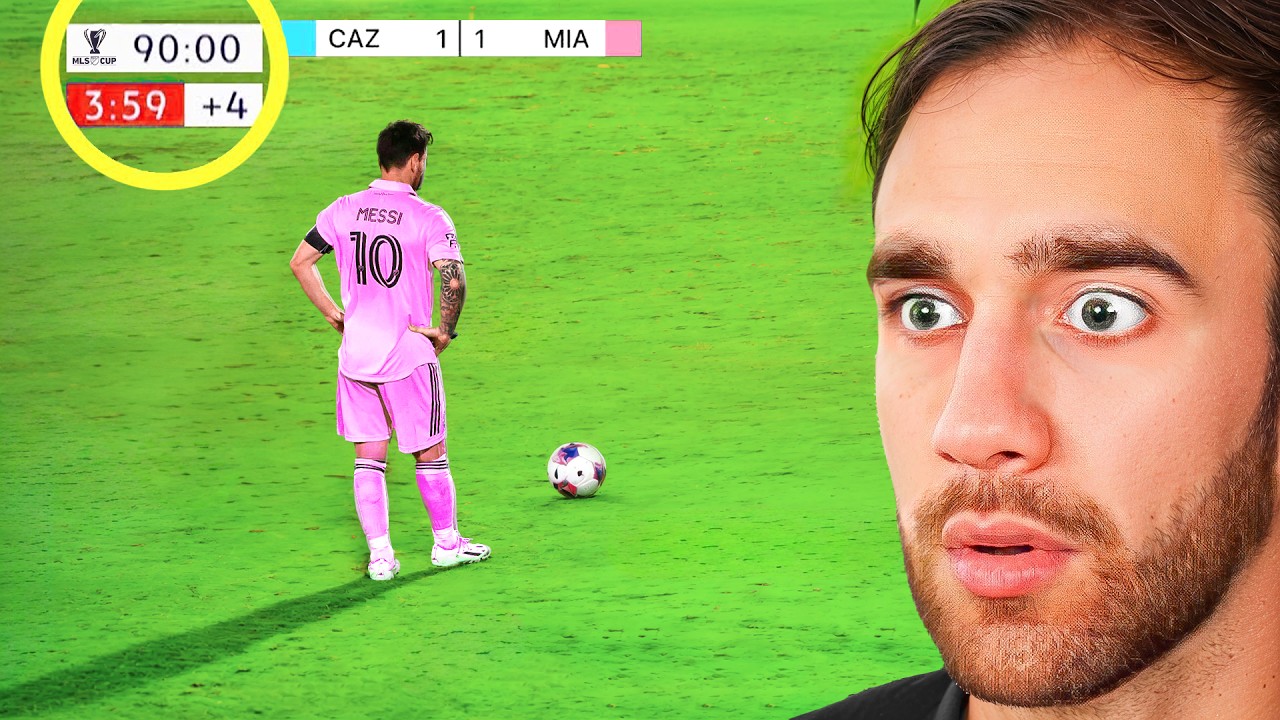
(For your in-class or afterschool workshop) Search on YouTube: “Kid soccer last minute goal teamwork” — Choose one where a young team scores because they pass the ball to each other instead of trying to be the hero.
This visual always works with kids. It’s emotional. It’s fun. And it’s the perfect gateway into teaching organizational management at a child’s level.
🏀 What Sports Teach Kids About Organizational Management
When children play a contact sport—soccer, basketball, martial arts, flag football, wrestling—they learn more than physical skills.
They learn four pillars that every organization depends on:
1. Health: Strength of the Individual → Strength of the Team
A healthy team begins with a healthy player:
- Warm-ups = preparation
- Healthy eating = energy management
- Training = continuous learning
WQM Lesson:
A healthy team is built on healthy habits. If one part weakens, the whole system feels the stress.
Kids learn to take responsibility for their body—just like employees take responsibility for their performance.
2. Habits: Discipline Creates Reliability
Good teams don’t win because they are lucky. They win because they build systems of habits:
- Show up on time
- Practice daily
- Listen to the coach
- Help a teammate
WQM Lesson:
Strong habits reduce chaos. They give stability under pressure.
This is the foundation of operational excellence.
3. Happiness: Joy Makes the Team Stronger
A team that laughs together… plays better together.
Children feel this instantly:
- When a teammate encourages them
- When they celebrate a small success
- When the coach smiles and gives high-fives
WQM Lesson:
Happiness is fuel for performance. Teams that enjoy being together survive stressful times without breaking.
4. Harmony: Knowing Your Role – Trusting Others to Play Theirs
Harmony is the magic of organizational management.
Players learn:
- Not everyone can score
- Someone must defend
- Someone must pass
- Someone must organize
Harmony means right person, right role, right moment.
WQM Lesson:
Harmony turns a group of individuals into a high-performing system.
Children immediately understand this when they see how a great team moves: Like a machine. Like a family. Like one heart beating together.
⚽ Bringing It Together: Teaching Organizational Management Through Contact Sports
After showing the video and telling the story, ask kids:
- Who made the last-minute goal possible? (They will say: “The one who passed the ball.”)
- What did the team do when they were stressed? (They kept passing, kept trusting, didn’t panic.)
- Whose role was most important? (They discover every role mattered.)
- How is a sports team like a company? (They discover organizational harmony.)
🌱 WQM Analysis – Health & Harmony in Action
In the WQM model, sports naturally teach the 4H:
🟢 Health → Physical readiness
Kids learn their body is their first responsibility in any system.
🟡 Habits → Practice & discipline
They discover systems thinking through routines.
🟥 Happiness → Emotional safety & motivation
They see how encouragement increases performance.
🟦 Harmony → Teamwork under pressure
They learn trust, role clarity, communication, and unity.
Sports deliver these lessons better than lectures. Kids feel what adults try to explain.
🏁 Final Message for Kids & Parents
In sports, nobody wins alone. In life, nobody succeeds alone.
Teaching children contact sports is not just about fitness. It is a life laboratory where they experience:
- Stress
- Coordination
- Trust
- Leadership
- Empathy
- Responsibility
- Problem-solving
And ultimately, organizational management through the joy of play.