Psychological Safety - Building trust in a collaborative environment
Psychological safety is not just a concept; it's the cornerstone of courageous cultures where individuals are empowered to share their true selves, fostering innovation, collaboration, and sustained excellence.
- Amy Edmondson
TrustSphere Blueprint:
In any organization, it's crucial to establish a strong network of trust, empathy, and open communication among team members to create a resilient, psychologically safe environment, called TrustSphere in the QualityPMO Methodology. This network serves as the foundation for fostering Psychological Safety, which is essential for collaborative excellence.
While traditional models define trust from different lenses, TrustSphere integrates and advances them:
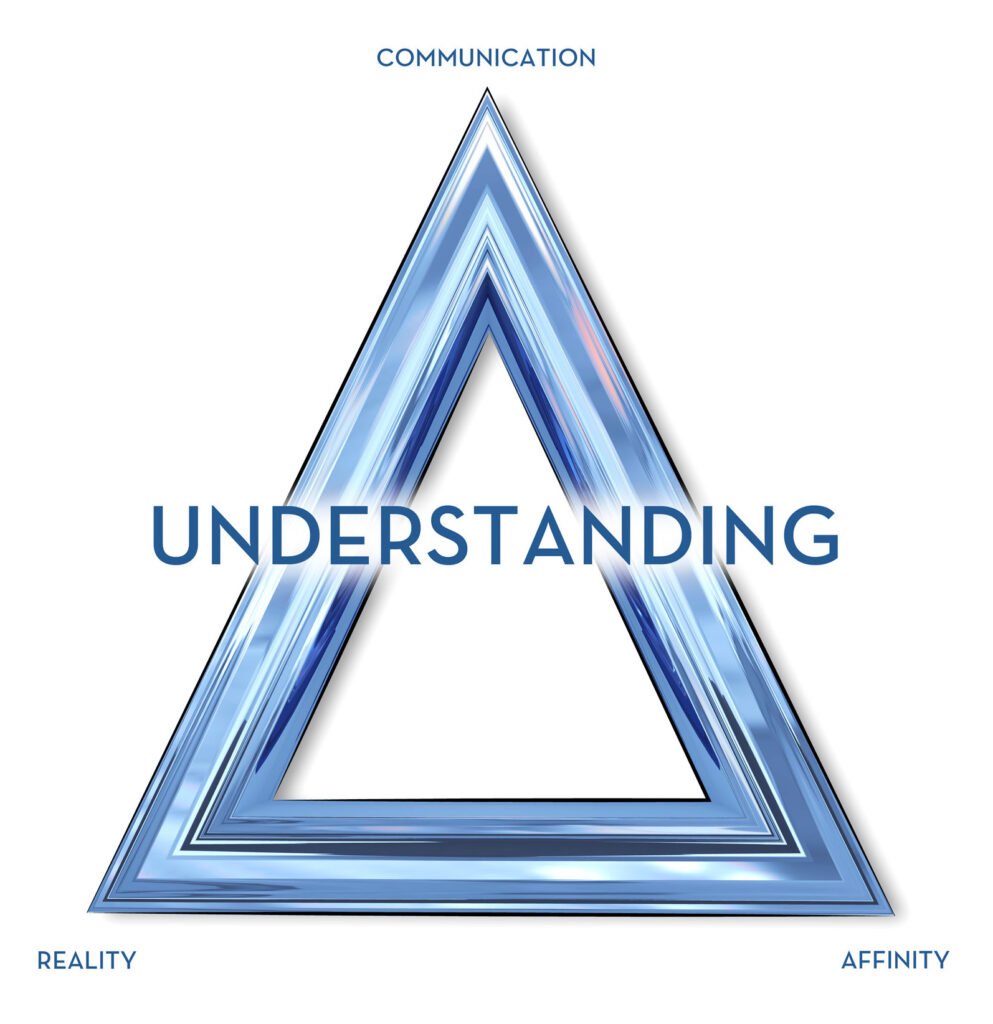
- The ARC Triangle (Affinity, Reality, Communication) focuses on belief-based trust and human connection.
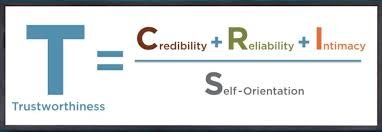
- The Trust Equation (Credibility + Reliability + Intimacy / Self-Orientation) focuses on executive and professional trustworthiness.
- TrustSphere goes beyond both, applying system thinking to determine which trust model to activate, when, and how, across organizational, project, and human performance levels.
To help you build and nurture a TrustSphere within your team or organization, we've put together a brief guide outlining key principles and actionable steps. By creating a culture of trust and empowering your teams, you unlock the full potential of Human and Organizational Performance, aligned with QPMO system thinking .
In engagements with consulting clients, a critical inquiry emerges for change managers and leaders:
“Is there a recognition of the essential need to cultivate heightened Psychological Safety within your team?”
Frequently met with an unequivocal “Yes,” the real challenge becomes practical:
How do we operationalize trust?
This is where models diverge:
- ARC Triangle improves human connection and shared understanding.
- Trust Equation improves leadership credibility and delivery confidence.
- TrustSphere orchestrates both, ensuring trust is contextual, dynamic, and system-aligned.
As recommended by the Collaborative Management for Business Activities (CMBA) Methodology, here are some recommendations on how to frame the importance of Psychological Safety within your organizational dynamics. Emphasize the need for actionable strategies to truly implement this concept.
QPMO Strategies for Building the TrustSphere:
The following examples are lessons learned from 25+ years of experience by Dr. EMARI on strategies to enhance the TrustSphere thinking:
🟤 Language Transformation:
Initiate a professional and intentional language transformation. Encourage team members to replace 3–5 phrases that compromise Psychological Safety.
Example:
- “We’ll investigate” → “We’ll conduct an After Action Review.”
This shift aligns with:
- ARC Triangle → Communication clarity
- Trust Equation → Credibility through precision
- TrustSphere → Intentional language as a system lever
🟪 Reframing Perceptions:
Replace accusatory statements like “There was a violation” with
“I observed something unexpected.”
This:
- Builds Affinity (ARC)
- Reduces Self-Orientation (Trust Equation)
- Enables non-threatening system feedback (TrustSphere)
Language becomes not just communication—but governance.
🟦 Cultivating Expectations:
Shift from:
- “What they should have done…”
to - “What I expected…”
This introduces:
- Reality alignment (ARC Triangle)
- Reliability clarity (Trust Equation)
- Process transparency (TrustSphere)
Expectations become measurable, not emotional.
🟠 Welcoming Confrontations:
Healthy conflict is not a threat—it is a system signal.
Encourage constructive confrontation:
- ARC → strengthens shared reality
- Trust Equation → builds intimacy through openness
- TrustSphere → converts conflict into learning loops
This transforms teams into adaptive, high-reliability systems.

🟢 TrustSphere
Embark on a journey to construct sustainable Psychological Safety through a holistic strategy that integrates human belief, leadership behavior, and system intelligence.
TrustSphere operates across two pivotal elements:
Collaborator Safety:
Foster open dialogue and constructive debate. Encourage speaking up while maintaining professionalism and empathy.
- ARC → Communication and affinity
- Trust Equation → Intimacy
- TrustSphere → Safe system interaction
Inclusion Safety:
Value diverse intelligence and perspectives. Promote equality regardless of hierarchy.
- ARC → Shared reality
- Trust Equation → Low self-orientation
- TrustSphere → Inclusive system alignment
This creates sustainable agility and high-performing teams aligned with QPMO principles of human and organizational performance.
🟥 Cautionary Note:
This linguistic and behavioral system is powerful—almost like a Jedi Mind Trick.
But with power comes responsibility.
Ask yourself:
“Would Obi-Wan approve?”
More importantly:
“Am I using trust to serve the system—or myself?”
Because:
- ARC can be used to influence belief
- Trust Equation can be used to build authority
- TrustSphere demands ethical alignment and system integrity
Psychological Safety as a System for Performance

Psychological Safety is a transformative force that reshapes how teams collaborate, innovate, and perform. At its essence, it is the shared belief that individuals can take interpersonal risks—ask questions, challenge ideas, admit mistakes—without fear of negative consequences. While often discussed as a cultural value, Psychological Safety is more powerful when understood as a system that can be intentionally designed, measured, and improved.
The Foundation of Trust
At the core of Psychological Safety lies trust—but trust itself is multi-dimensional. Different models explain different aspects of it. The ARC Triangle (Affinity, Reality, Communication) focuses on emotional connection, showing how trust grows when people feel understood and aligned. The Trust Equation (Credibility + Reliability + Intimacy, divided by Self-Orientation) brings a professional lens, emphasizing that trust is built through consistent delivery, expertise, and genuine care for others.
The TrustSphere concept expands beyond both. It introduces trust as a system-level capability, where trust is not only built between individuals but embedded across processes, leadership behaviors, and organizational structures. In this sense, ARC builds connection, the Trust Equation builds confidence, and TrustSphere ensures trust is sustained and scaled across the organization.
Nurturing Inclusivity Through Trust
Psychological Safety enables diversity of thought to thrive. When individuals feel safe, they are more likely to contribute ideas, challenge assumptions, and bring their full perspectives into the conversation. The ARC Triangle supports this by fostering shared understanding and agreement, while the Trust Equation strengthens emotional safety through intimacy and reduced self-interest.
TrustSphere integrates these elements into decision-making systems, ensuring that inclusivity is not left to chance or personality, but becomes part of how teams operate. This shift moves organizations from simply accepting diversity to actively leveraging it as a strategic advantage.
Language as a Catalyst for Trust
One of the most practical and immediate ways to build Psychological Safety is through language. The words we choose shape how others perceive intent, accountability, and openness. ARC emphasizes communication quality, while the Trust Equation reinforces credibility through clarity and consistency.
TrustSphere elevates language into a governance tool. It encourages teams to use intentional, non-threatening, and precise language that promotes learning rather than blame. Small shifts—such as reframing criticism into observation or replacing vague commitments with clear actions—can significantly influence how safe individuals feel to engage. Over time, language becomes the foundation for a culture of transparency and continuous improvement.
Building Your TrustSphere
TrustSphere is more than a network of relationships—it is a network of trust intelligence. It integrates emotional intelligence from the ARC model, professional trust from the Trust Equation, and system thinking from the QPMO and EMARI frameworks. This integration creates an environment where trust is not dependent on individuals alone but is reinforced by the way work is structured and managed.
Organizations that successfully build a TrustSphere become more resilient and adaptive. They are better equipped to handle uncertainty, resolve conflicts constructively, and continuously improve performance. Trust becomes embedded in how decisions are made, how teams collaborate, and how leaders guide their organizations.
The Future of Work and Human Performance
In the evolving landscape of work, Psychological Safety is no longer optional—it is foundational to Human and Organizational Performance. Through the Wellness Quality Management (WQM) approach, TrustSphere supports a balanced system where human well-being, leadership alignment, project execution, and strategic direction work together.
In this future state:
- Human safety and wellness are prioritized
- Leadership fosters alignment and trust
- Projects operate with clarity and control
- Strategy drives integration and long-term excellence
This aligns with the broader QPMO vision of enabling smarter, faster decisions through integrated safety and quality systems, where trust becomes a driver of both performance and sustainability.
Conclusion
Psychological Safety should not be viewed as a soft concept or a cultural aspiration alone—it is a strategic system that directly impacts performance. The ARC Triangle builds belief and connection. The Trust Equation builds professional trust and execution confidence. TrustSphere integrates both into a dynamic, situational framework that adapts to the needs of people, projects, and organizations.
The true leadership skill lies not in choosing one model over another, but in understanding when to apply each and how to integrate them effectively. That is the power of TrustSphere—turning trust into a deliberate, scalable advantage.
Action List
- Use the ARC Triangle to strengthen team relationships and communication
- Apply the Trust Equation to enhance credibility, reliability, and leadership trust
- Implement TrustSphere to integrate trust into systems, processes, and governance
- Conduct After Action Reviews to reinforce a learning culture
- Develop awareness of language and its impact on Psychological Safety
- Encourage low self-orientation behaviors to build genuine trust
- Align trust-building efforts with organizational performance goals
This integrated approach transforms trust from an abstract idea into a governed, measurable, and scalable system for excellence.